Pre-construction condos are one of the most talked-about ways to buy in Miami: you reserve a unit years before the building exists, often at today's price, and you pay for it in stages. For the right buyer, that structure can work very well. For the wrong one, it can mean tied-up cash, a delayed closing and surprises in the contract.
This guide explains how pre-construction works in Miami in 2026: how deposits are usually structured, how long projects really take, the risks to look at before you sign, and the questions I recommend every buyer ask. It is written for both local and international buyers.
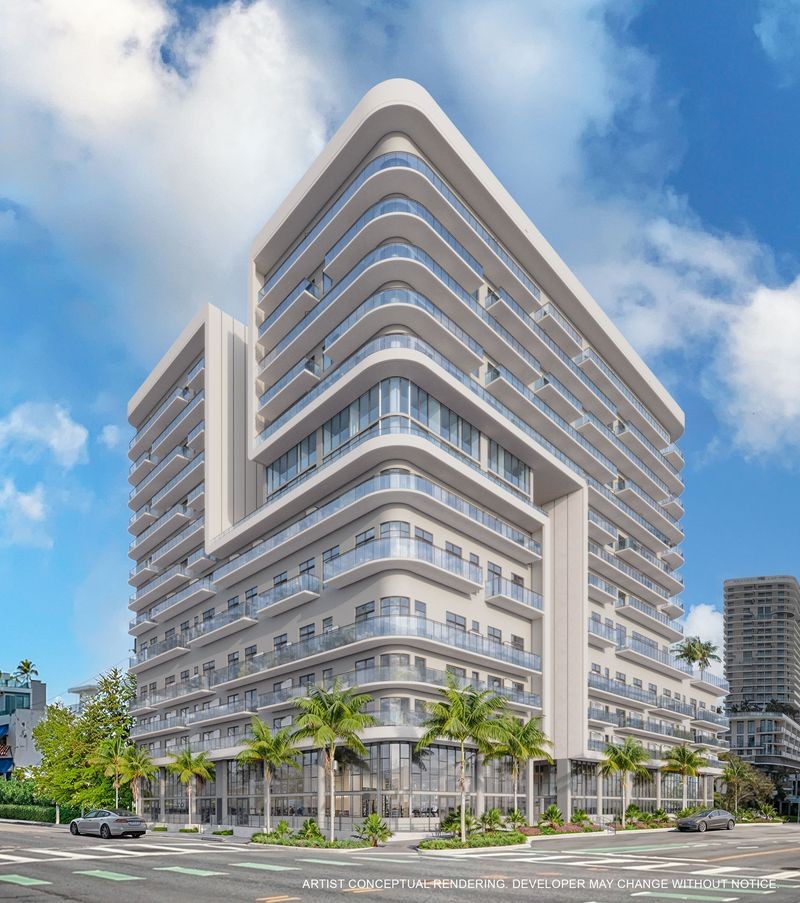
Artist's conceptual rendering of a Miami Beach pre-construction tower. Buying before a building exists can mean better pricing and choice, but it also means waiting, so know the schedule before you commit.
What "Pre-Construction" Means
A pre-construction (or "pre-sale") condo is a unit you contract to buy from the developer before the building is finished, and sometimes before construction has even started. You sign a purchase agreement, pay deposits over time and close when the building receives its certificate of occupancy and the unit is delivered.
Compared with buying a resale condo, you are buying a promise and a set of plans rather than a finished home. That is where both the opportunity and the risk come from.
Why Buyers Choose Pre-Construction
- Staged payments: most of the price is not due until delivery, so your cash is committed gradually.
- Choice of unit: in early phases you can pick the floor, view and layout you want.
- New building, new systems: modern construction standards, impact-rated windows, current amenities and a warranty from the developer.
- Potential appreciation: if the market rises between contract and closing, you may own a unit worth more than you agreed to pay. That is not guaranteed, and it can go the other way.
- Lower near-term maintenance: no immediate capital repairs, which matters in a market where older buildings face costly assessments and reserve requirements. I cover that in my guide to the Miami condo financing crisis.
How Deposits Usually Work
Deposit structures vary by developer and by project, so there is no single rule. In South Florida, many projects ask for a total of roughly 20% to 50% of the price before closing, spread over several milestones, with the rest due at delivery. Luxury and ultra-luxury towers tend to sit at the higher end of that range. Some developers have recently reduced deposit requirements or added incentives to attract buyers in a slower market, so always compare current offers.
A typical schedule looks like this (illustrative only):
| Milestone | Example payment | On a $800,000 unit |
|---|---|---|
| Reservation / contract signing | 10% | $80,000 |
| Groundbreaking or 30-90 days later | 10% | $80,000 |
| Construction milestone (for example, top-off) | 10% | $80,000 |
| Closing at delivery | 70% | $560,000 |
Example for illustration only. Each project has its own schedule. Read the purchase agreement and the offering documents for exact amounts and dates.
Two details are worth understanding:
- Reservation deposits are separate. Some projects ask for a smaller refundable reservation payment to hold a unit while you review the documents. Ask whether it is refundable, and until when.
- Where the money sits. Under Florida's condominium law, buyer deposits are generally held in escrow, but the contract can allow the developer to use part of the deposits for construction once certain conditions are met. Ask exactly what portion can be used and what protections apply. Your attorney should confirm the rules for the specific project.
Cancellation window: Florida law generally gives buyers of new condominium units a limited period (commonly 15 days after receiving the required documents) to cancel the contract and get the deposit back. Do not let that window pass without having an attorney review the documents.
How Long Do Pre-Construction Projects Really Take?
Developers publish an estimated completion date, but real timelines are often longer. Many Miami towers take two to four years from the first sales to delivery, and some take more. Common causes of delay include permitting, financing, weather, labor and material supply.
What to check:
- The outside date. The contract usually sets a latest delivery date and explains what happens if it is missed (for example, extension periods or your right to cancel).
- Construction status. Has the developer started building, secured construction financing and obtained permits? A project that is already under construction carries less risk than one that has not broken ground.
- The developer's track record. Look at past projects: were they delivered on time and as promised?
The Main Risks to Weigh
- Construction delays.Your money stays tied up longer than planned, and your own plans (moving, renting, selling) may have to change.
- Market changes.Prices may be higher or lower at closing than when you signed. If the appraised value comes in below your contract price, you may need extra cash at closing.
- Financing at closing.Interest rates and lending rules can change over two or three years. Lenders approve your loan close to delivery, not at signing, so plan for the possibility that terms will differ.
- Design and finish changes.Contracts often allow the developer to make reasonable changes to plans, finishes or square footage. Read what is allowed and what is not.
- Developer risk.If a developer runs into financial trouble, a project can stall. Strong developers, secured financing and escrow protections reduce this risk but do not remove it.
- Resale or rental restrictions.Some projects limit assignments (selling your contract before closing) or short-term rentals. If you plan to flip or rent, confirm the rules in writing.
Costs Beyond the Price
Budget for more than the deposits and the final balance:
- Closing costs on new construction. In Miami-Dade, the buyer of a new development unit typically pays the deed documentary stamps (about 1.05% of the price), which is different from most resale purchases. There are also title, lender and condo-related fees.
- Capital contributions and reserves. New buildings often charge a one-time fee at closing to fund the association's reserves.
- Upgrades and options. Finish upgrades, parking or storage may be extra.
- Furnishing and move-in. A new unit usually comes unfurnished.
- HOA dues and property taxes. Monthly dues start at delivery, and property taxes will be assessed on the completed unit's value, which can be higher than the land-only value used during construction.
For a full picture of closing costs, see my guide on closing costs in Miami (in Spanish).
Pre-Construction vs. Resale: Quick Comparison
| Pre-construction | Resale condo | |
|---|---|---|
| Cash needed upfront | Staged deposits over time | Down payment at closing |
| Time to move in | Typically 2-4 years | 30-60 days |
| Building age | New, with developer warranty | Varies; check reserves and assessments |
| Price certainty | Fixed at signing, but value at closing can differ | Known market value today |
| Rental income | None until delivery | Possible right away (check building rules) |
| Best for | Patient buyers with flexible timelines | Buyers who want to move in or rent soon |
For International Buyers
Pre-construction is popular with buyers from Latin America and Europe because of the staged payments, but there are extra points to plan for:
- Financing at closing. Many international buyers pay cash, but if you plan to finance, lenders for foreign nationals typically require a larger down payment. See my guide on getting a mortgage as a foreign national (in Spanish).
- Moving money on schedule. Each deposit has a due date. Plan international transfers early, since bank compliance checks can take days.
- Ownership structure. How you hold title affects taxes and inheritance. Read my article on inheriting Miami property as a foreign owner before you sign.
Questions to Ask Before You Reserve a Unit
- What is the full deposit schedule?Amounts, dates and what triggers each payment.
- Where are deposits held, and how much can the developer use?Ask for the escrow terms in writing.
- What is the estimated completion date and the outside date?And what are my rights if it is missed?
- Has construction started?What financing and permits are in place?
- What are the total closing costs?Including doc stamps, capital contribution and any fees.
- Can I assign the contract?Under what conditions and at what cost?
- Are short-term or long-term rentals allowed?Any minimum rental period?
- What does the warranty cover?For how long?
- What are the expected HOA dues and reserves?
- Who is the developer, and what have they built before?
My advice: work with an attorney who reviews the purchase agreement and the condominium documents before you sign, and use a Realtor who is not paid by the developer to represent your interests. Having your own representation costs you nothing extra in most pre-construction purchases, but it can make a significant difference.
Want to see what is currently launching? Browse the projects on my Miami new developments page. If you are investing from abroad, visit my page for Miami investors. I also have a Spanish-language guide on the advantages and risks of pre-construction.
Frequently Asked Questions
How much deposit do I need for a pre-construction condo in Miami?
It depends on the project. Many ask for roughly 20% to 50% of the price before closing, paid in stages, with the balance at delivery. Some developers offer lower deposits or incentives, so compare current offers.
How long does it take to receive a pre-construction condo in Miami?
Typically two to four years from the first sales, and sometimes longer. Delays are common, so check the contract's outside date and your rights if it is missed.
Can I get my deposit back?
Florida law generally gives new condo buyers a short cancellation window after receiving the required documents, and the contract may include other conditions. After that period, getting a deposit back depends on the contract terms. Have an attorney review them before signing.
Is pre-construction a good investment?
It can be, but it is not guaranteed. Returns depend on market conditions at delivery, the price you paid, financing costs and rental rules. Treat appreciation as a possibility, not a promise.
Can foreigners buy pre-construction in Miami?
Yes. International buyers can buy pre-construction condos. Plan for how you will pay the deposits, how you will finance or pay the balance at closing, and how to structure ownership with your attorney and accountant.
This article is for general information only and is not legal, tax or financial advice. Deposit amounts, timelines and incentives vary by project and change over time, and examples are illustrative. Review each project's contract and condominium documents with a Florida real estate attorney.
Thinking About Buying Pre-Construction in Miami?
I can help you compare projects, understand the contract terms and decide whether pre-construction or a resale condo fits your goals and timeline. I work with you in English or Spanish, in person or remotely.
Explore Pre-Construction With Me
Compare projects, understand deposits and avoid surprises. No cost to start.
Book a Free Consultation