If you've been searching for Miami Beach homes for sale, you already know the appeal — waterfront living, world-class dining, iconic Art Deco streets, and an energy unlike anywhere else in Florida. But Miami Beach real estate in 2026 is also one of the most competitive and nuanced markets in the country. Prices have held strong, inventory remains tight, and knowing which neighborhood to target can make or break your purchase.
This guide breaks down everything buyers need to know about houses for sale in Miami Beach: current prices, the best neighborhoods, what to expect in different price ranges, and how to compete effectively in a fast-moving market.
Why Miami Beach Real Estate Continues to Attract Buyers
Miami Beach real estate for sale has long attracted both domestic and international buyers for the same core reasons: a subtropical climate, no state income tax in Florida, proximity to international airports, and a lifestyle that blends beach, culture, and commerce. In 2026, those fundamentals remain intact — and new drivers have added fresh momentum.
Remote work has permanently shifted where affluent professionals choose to live, and Miami Beach remains a top destination. The city has also seen significant infrastructure upgrades, including expanded sea-level resilience programs, which have helped stabilize buyer confidence in waterfront properties.
Key stat: Miami-Dade County recorded over $2.1 billion in luxury real estate transactions in the first half of 2026, with Miami Beach properties accounting for a disproportionate share of the top-tier sales.
Miami Beach House Prices: What to Expect in 2026
Understanding Miami Beach house prices requires separating the market into tiers. Entry-level condos in neighborhoods like North Beach start around $500K, while a modest single-family home in a non-waterfront street typically begins at $900K–$1.2M. The moment you add water views or direct access, prices jump significantly.
| Property Type | Price Range (2026) | Notes |
|---|---|---|
| Studio / 1BR Condo | $450K – $900K | North Beach, Mid-Beach |
| 2–3BR Condo (Bay/Ocean View) | $900K – $2.5M | South Beach, Mid-Beach |
| Single-Family Home (No Water) | $900K – $2M | Inland streets, North Beach |
| Waterfront Single-Family | $2.5M – $8M+ | Bay-front, canal-front |
| Miami Beach Mansions | $8M – $50M+ | La Gorce, Sunset Islands, Star Island |
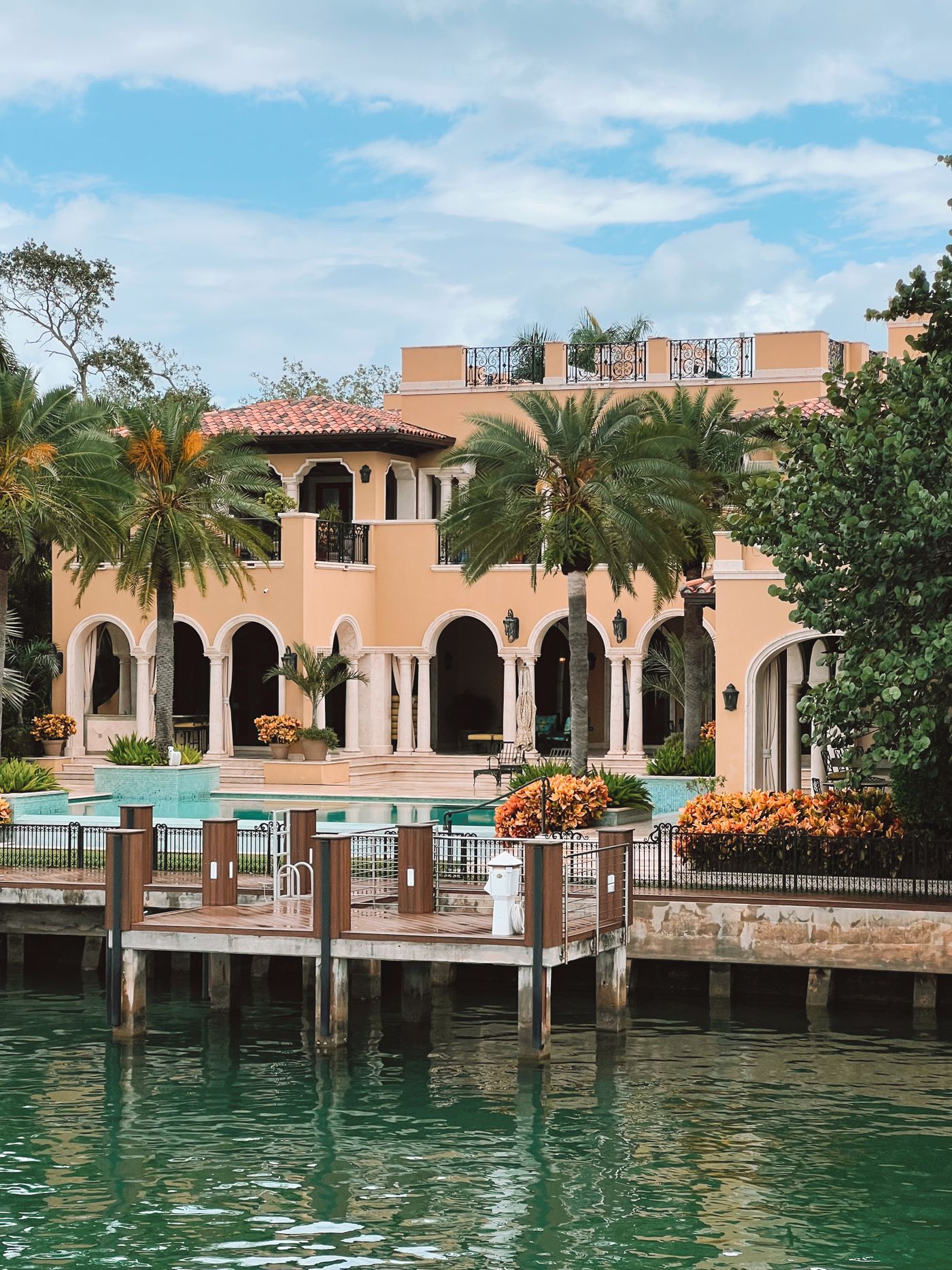
Luxury buyers searching for luxury homes for sale Miami Beach will find the finest inventory concentrated on Sunset Islands, La Gorce Island, and the gated communities near Biscayne Bay. These are among the most sought-after addresses in South Florida, with homes offering deepwater docks, panoramic bay views, and resort-level amenities.
Best Neighborhoods: Where to Find Miami Beach Property for Sale
South Beach
The most iconic section of Miami Beach, South Beach runs from 1st Street to 23rd Street. South Beach homes for sale are almost exclusively condos, with a handful of Art Deco single-family properties in the historic district. The lifestyle here is unmatched for walkability, nightlife, and brand-name dining — but it comes at a premium. Buyers should expect higher HOA fees and strong short-term rental demand that makes these units attractive as investment properties.
Mid-Beach
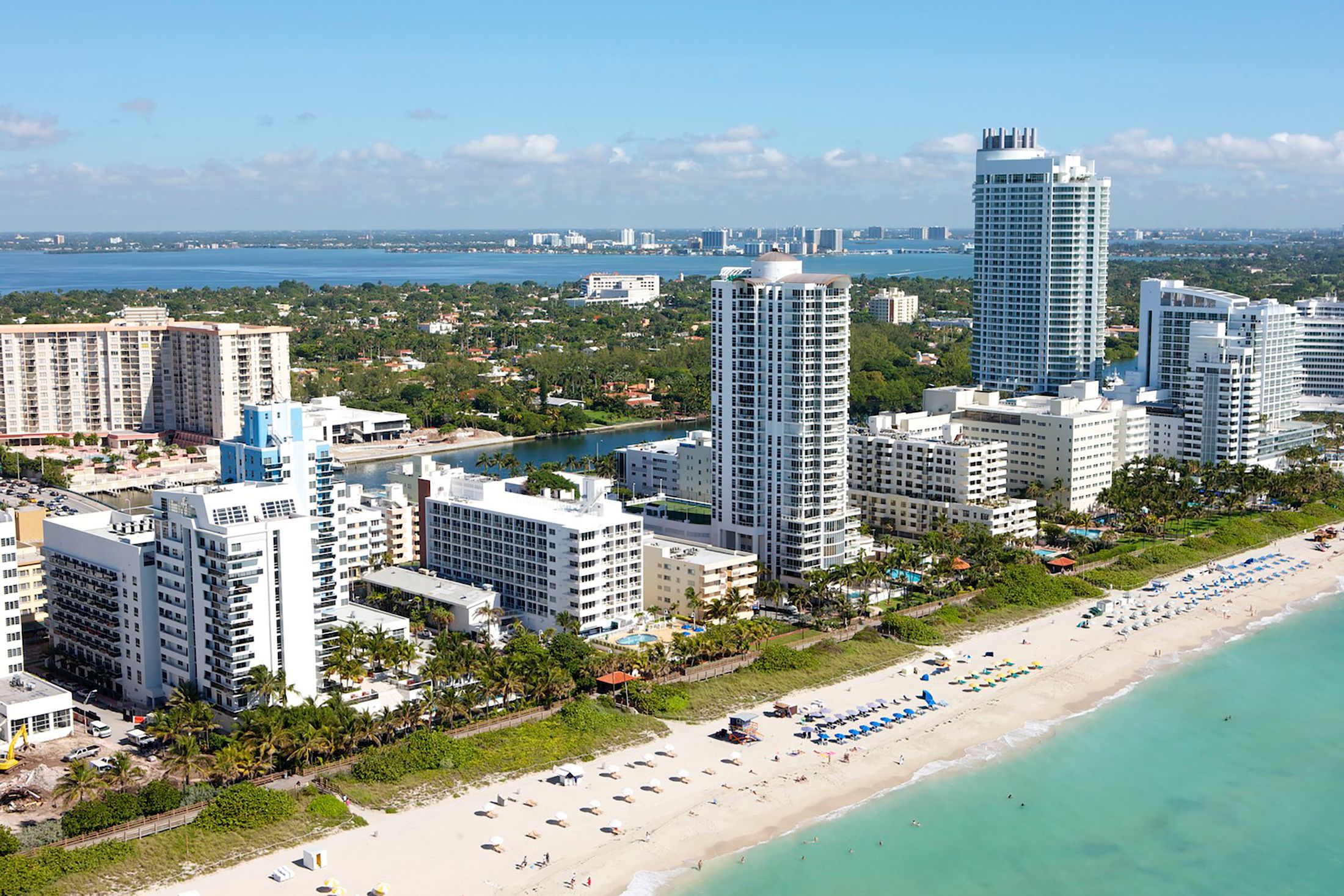
Running from 23rd to 63rd Street, Mid-Beach has seen a dramatic renaissance over the past five years. Luxury condo towers like Faena House and Edition Residences have redefined the neighborhood's profile. Mid-Beach hits a sweet spot: quieter than South Beach but with access to the best beaches and a growing cluster of Michelin-starred restaurants.
North Beach
North Beach (above 63rd Street to 87th Terrace) is where buyers find the most value in homes for sale in Miami Beach Florida. The neighborhood has a more residential, local feel, with Art Deco and MiMo (Miami Modern) architecture on tree-lined streets. It's the target area for buyers who want the Miami Beach address without the South Beach price point.
Sunset Islands & La Gorce
These exclusive island communities are where buyers searching for Miami Beach mansions focus their attention. Properties here are large, private, and often on the water with direct Biscayne Bay access. La Gorce Island is gated, adding an extra layer of exclusivity. Inventory is very limited — typically fewer than 15–20 homes available at any given time.
Star Island & Palm Island
Miami Beach mansions for sale on Star Island and Palm Island represent the absolute pinnacle of the market. These man-made islands in Biscayne Bay have been home to celebrities and billionaires for decades. Expect minimal inventory, high competition, and prices starting at $15M for most listings.
Buyer tip: Off-market listings account for a significant percentage of luxury sales on the private islands. Working with an advisor who has strong local relationships is essential to access properties before they hit the open market.
Miami Beach Real Estate: Condos vs. Single-Family Homes
One of the most common questions from buyers entering the Miami Beach real estate market is whether to target a condo or a single-family home. Each has distinct advantages depending on your lifestyle and goals.
Condos dominate the South and Mid-Beach markets and offer lower maintenance burdens — ideal for buyers who split time between Miami and another city. However, condo association rules vary widely, and short-term rental policies (critical for investors) differ dramatically from building to building. Always verify rental restrictions before purchasing.
Single-family homes in Miami Beach offer more privacy, land, and flexibility — and they remain rarer, which supports long-term value appreciation. Waterfront single-family homes in particular have shown exceptional price resilience, with Miami Beach property for sale in the bay-front category often appreciating faster than condos during market cycles.
The Buying Process: What You Need to Know
Buying in the Miami Beach market moves quickly. Competitive properties — especially in the $1M–$3M range — often see multiple offers within days of listing. Here's what you need to be prepared:
- Pre-approval or proof of funds — sellers will not seriously consider offers without this documentation in hand.
- Understanding of condo documents — for condos, review the HOA budget, reserve fund health, and pending special assessments before making an offer. Florida's new condo legislation (post-Surfside) has added new inspection and reserve requirements that affect pricing.
- Flexibility on closing timeline — some sellers, especially in luxury segments, prefer longer closing periods to coordinate their own move. Being flexible here can win you the deal over a higher offer.
- Strong local representation — a buyer's agent who knows the Miami Beach market intimately can identify pricing anomalies, flag issues in the inspection, and negotiate effectively on your behalf.
Investment Potential: Is Miami Beach Real Estate Still a Good Buy?
For buyers considering Miami Beach real estate for sale as an investment, the fundamentals remain compelling. Miami Beach has limited land — it is, after all, a barrier island — which creates a structural supply constraint that supports prices over time. Demand from international buyers (particularly from Latin America and Europe) adds a floor to the market that most U.S. cities lack.
Short-term rental income can be significant in South Beach and Mid-Beach for properties where HOA rules permit it. Long-term rentals are also strong, with high-quality tenants drawn by employment in finance, tech, and the arts.
That said, buyers should factor in property insurance costs, which have risen substantially across South Florida due to hurricane risk and the broader insurance market crisis. A knowledgeable advisor can help you model net returns accurately before committing.
Bottom line: Miami Beach is not a market to buy passively — it rewards buyers who understand its neighborhoods, act decisively, and have expert representation. When you find the right property at the right price, it rarely lasts more than a few days.
How to Find the Right Miami Beach Home in 2026
Whether you're looking for a turnkey South Beach condo, a family home in North Beach, or a bay-front mansion on La Gorce, the process starts with clarity on your goals. Define your priorities: Are you buying as a primary residence, a vacation home, or an investment property? How important is water access? What's your timeline for moving?
From there, working with a Miami real estate advisor who specializes in the Beach market is the most efficient path to success. Local expertise means knowing which buildings have solid reserve funds, which streets flood during king tides, and which sellers are genuinely motivated — all information that doesn't appear on any listing website.
Ready to Find Your Miami Beach Home?
I specialize in helping buyers navigate Miami Beach real estate — from South Beach condos to bay-front mansions. Let's talk about what you're looking for and build a strategy that works.
Schedule a ConsultationFrequently Asked Questions
What is the average price of a home in Miami Beach?
In 2026, the median sale price for a single-family home in Miami Beach is approximately $1.8M, though this varies significantly by neighborhood and waterfront access. Condos range from $450K for a studio to $10M+ for a penthouse.
Can foreigners buy homes in Miami Beach?
Yes. Non-U.S. citizens and non-residents can purchase real estate in Florida with no special restrictions. Many Miami Beach buyers are international. The process is the same as for domestic buyers, though financing options may differ for non-resident buyers.
Are Miami Beach homes a good investment?
For buyers with a medium-to-long-term horizon and a clear strategy (rental income, appreciation, lifestyle value), Miami Beach real estate has historically been a strong performer. As with any market, specific neighborhood selection and property condition matter significantly.
How competitive is the Miami Beach market right now?
The $800K–$3M segment remains highly competitive, with well-priced listings receiving multiple offers. The luxury segment above $5M moves more slowly but is active, particularly for trophy waterfront properties. Working with a local advisor who has access to off-market inventory is increasingly important.